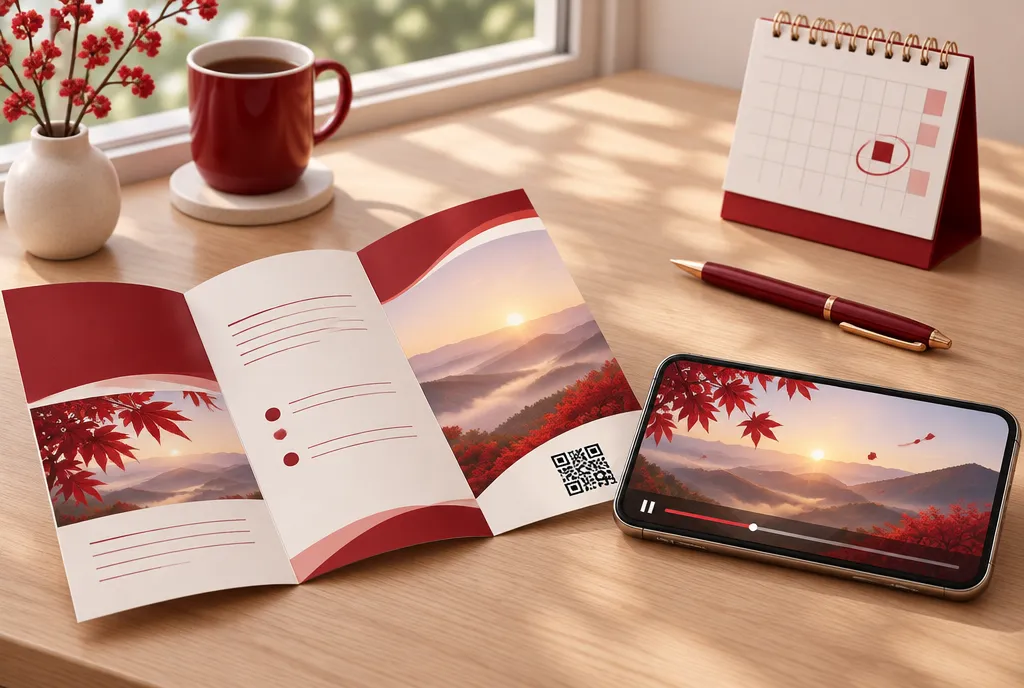
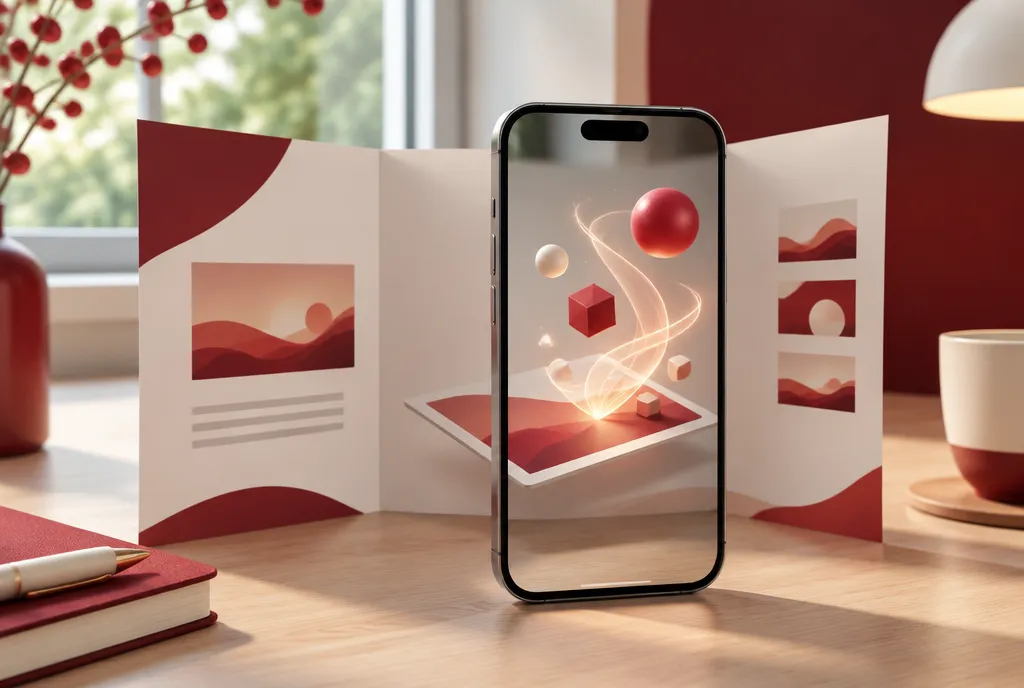
The best brand activation ideas give people a reason to stop and look. One of the simplest is to make the print you already produce play a short video when someone points a phone at it. With web-based augmented reality (AR), a brochure, poster, label or booth display plays animation, music and narration on the customer's own phone, with no app to download.
This kind of experiential brand activation works at events, in stores and through the mail, because it uses print you already pay for. Here are seven ways brands use it.
Why print needs a reason to scan
Most marketers have watched a QR code marketing campaign fall flat. A code on its own does nothing, and many people only scan when they expect something worth seeing on the other side. Bitly's 2025 survey of marketers found that 39% of consumers scan for exclusive content, more than the 33% who scan for discounts. When the printed piece itself starts to move and talk, that is the payoff people scan for.
People are also more likely to scan something they are already holding, like a brochure from a sales rep, a card in their wallet or a box on their kitchen counter. That makes interactive print a good place to start.
1. An interactive brochure that explains itself
Hand out brochures at an event or in a branch, and let each page play a short explainer when a customer points their phone at it. One QR code can cover up to 10 pages, so a single code works for the whole brochure. You can also add links inside the experience that open your website or a sign-up form. See more on AR for brochures and posters.
2. A trade show poster that runs your demo
Some products are hard to explain at a booth. A poster that plays the product demo gives visitors something to walk over and watch, and your team gets an easy way to start a conversation.
3. Augmented reality packaging that shows the product working
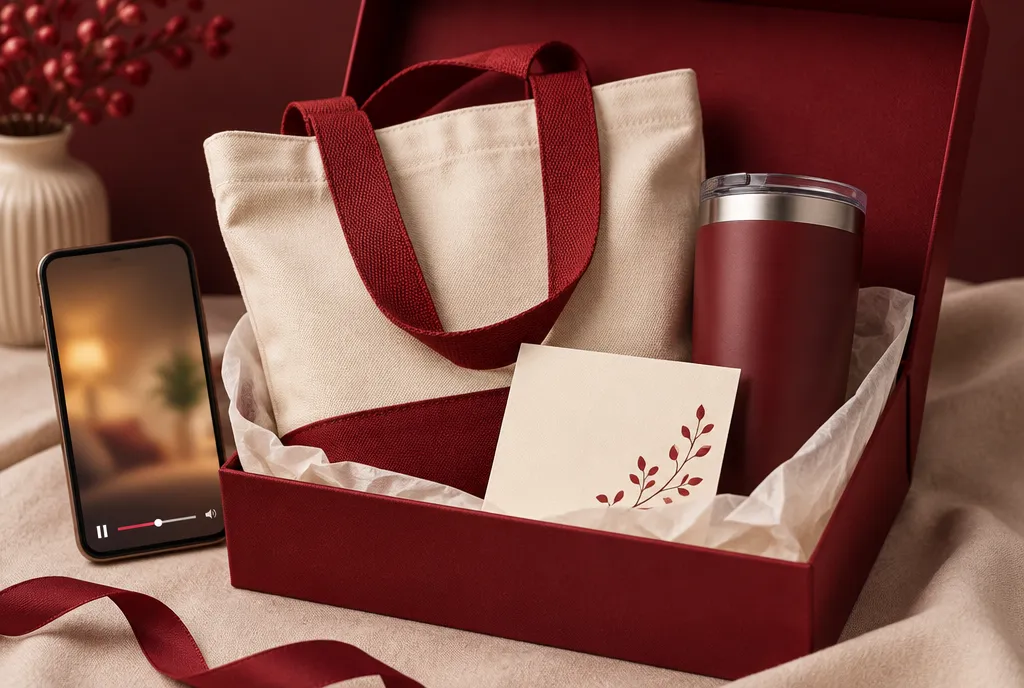
A shopper looking at a box often can't tell what the product does. Augmented reality packaging can show the product in use, play a recipe or tell the story behind an ingredient, right on the label. Marketing Dive reported in 2024 that brands such as Jones Soda moved their packaging experiences from a separate app to the phone's browser, so more shoppers would try them.
4. Seasonal campaigns without a reprint
The content behind the code can change while the printed piece stays the same. One print run of posters or cards can carry a holiday message in December and a new product in March.
5. In-store brand activation with displays and shelf talkers
Point-of-sale displays can play a short promo or a how-to when shoppers point their phone at them. It works on displays you already have in stores.
6. Murals and store fronts
A painted wall or a store window can play animation and narration for anyone passing by. It suits launches, anniversaries and neighborhood campaigns. See AR for outdoor façades and murals.
7. A heritage or brand story tour
At Rizal Park, ScarletBox and the National Parks Development Committee built a 10 station augmented reality tour. Visitors scan a QR code at each station and watch animated, narrated scenes. The same idea works for a company museum, a factory tour or a brand anniversary exhibit. Read more in our success stories.
How to measure it
Print is hard to track, and that is one reason brands try AR. ScarletBox clients see monthly views for each image, the average number of seconds people watched, and whether they used iPhone or Android. That shows which brochure page, product or location got the most attention.
How long it takes
Most projects go live in 2 to 4 weeks, depending on what you need. ScarletBox plans, designs and produces the experience, and every screen carries your logo and colors. Learn how our augmented reality services work.
Frequently asked questions
What is a brand activation?
A brand activation is a campaign or event that gets people to interact with a brand, rather than only see an ad. Examples include product sampling, pop-up events, trade show booths and interactive print.
Do customers need an app to see AR on print?
No. Web-based AR opens in the phone's browser after the customer scans a QR code with their camera. They allow camera access and point the phone at the printed image.
What are examples of a good brand activation?
Strong brand activations give people something to do, not only something to look at. Examples include product sampling, pop-up stores, trade show demos, and interactive print such as a brochure or package that plays a video when scanned.
Can we use AR on print we have already produced?
Yes. The AR is triggered by the printed image itself. You add a QR code to start the experience, so existing designs can be used.
Want to see it on your own print? Book an AR demo and we will show you how a brochure, poster or package could look.